
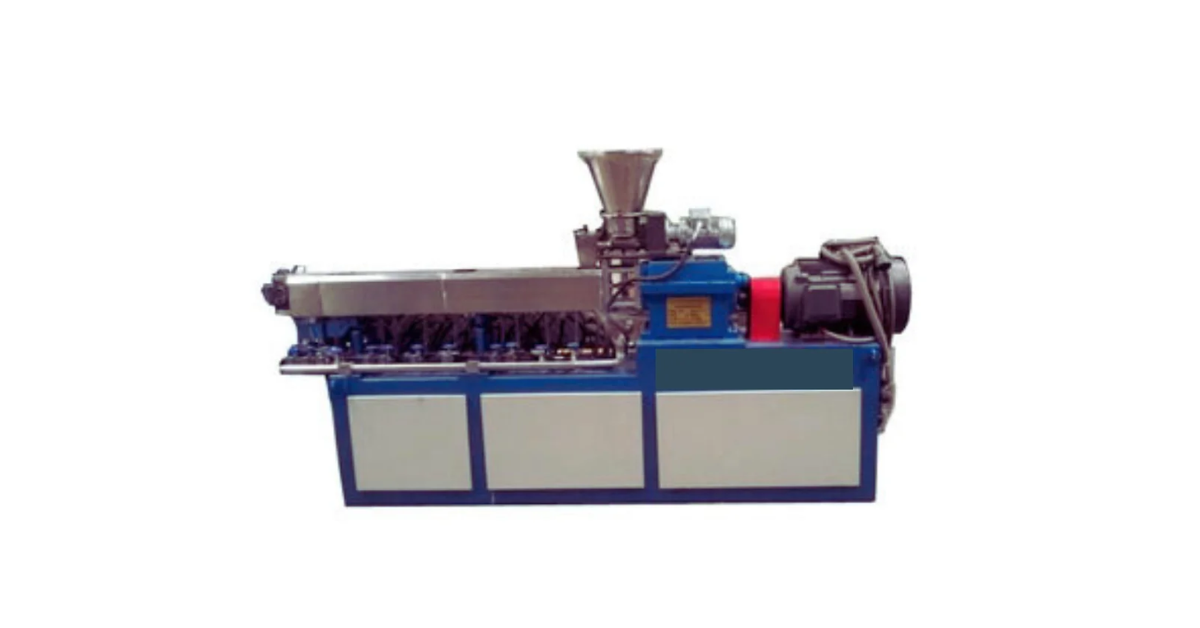
Pelletizer Machine Plastic: A Complete Guide to Modern Plastic Recycling Solutions
In today’s rapidly evolving manufacturing landscape, the demand for efficient plastic recycling systems has never been higher. One of the most essential components in this process is the Pelletizer Machine Plastic, which plays a crucial role in converting plastic waste into reusable raw materials. This machine not only supports sustainability but also enhances productivity for manufacturers dealing with plastic processing and recycling.
What is a Pelletizer Machine?
A pelletizer machine is an industrial device used to convert molten plastic into small, uniform pellets. These pellets serve as raw materials for producing various plastic products such as containers, packaging materials, automotive parts, and more. The process involves melting plastic waste, extruding it into strands, and then cutting those strands into small granules.
The Pelletizer Machine Plastic is specifically designed to handle different types of plastic materials, including polyethylene (PE), polypropylene (PP), and polyethylene terephthalate (PET). Its precision and efficiency make it indispensable in both recycling plants and plastic manufacturing industries.
How Does a Pelletizer Machine Work?
The working mechanism of a pelletizer machine involves several stages:
1. Feeding the Material
Plastic waste or raw material is fed into the machine through a hopper. This material can be in the form of flakes, granules, or shredded plastic.
2. Melting and Extrusion
The material is then heated and melted inside an extruder. A screw mechanism pushes the molten plastic through a die to form continuous strands.
3. Cooling Process
The extruded strands are cooled using water or air cooling systems to solidify them before cutting.
4. Cutting into Pellets
Once cooled, the strands are cut into uniform pellets using rotating blades or cutters.
This entire process is optimized in a Pelletizer Machine Plastic to ensure consistency, efficiency, and minimal waste.
Types of Pelletizer Machines
There are several types of pelletizer machines, each designed for specific applications:
Strand Pelletizers
These machines cut plastic strands after they are cooled. They are widely used for standard plastic recycling processes.
Underwater Pelletizers
In this type, cutting occurs under water, which helps in immediate cooling and shaping of pellets. It is suitable for high-capacity operations.
Air-Cooled Pelletizers
These use air instead of water for cooling, making them ideal for materials sensitive to moisture.
Die-Face Pelletizers
These machines cut pellets directly at the die face and are commonly used in continuous processing systems.
Choosing the right Pelletizer Machine Plastic depends on factors like material type, production capacity, and end-use requirements.
Key Features of Pelletizer Machines
Modern pelletizer machines come equipped with advanced features that enhance their performance:
- High Efficiency: Capable of processing large volumes of plastic in less time
- Energy Saving: Designed to minimize power consumption
- Durability: Made from high-quality materials to ensure long service life
- Precision Cutting: Produces uniform pellet sizes for consistent quality
- Automation: Many machines include automated controls for better operation
These features make the Pelletizer Machine Plastic a reliable investment for businesses aiming to improve their recycling processes.
Benefits of Using Pelletizer Machines
Environmental Sustainability
Pelletizer machines help reduce plastic waste by converting it into reusable material, contributing to a cleaner environment.
Cost Efficiency
Recycling plastic reduces the need for raw materials, lowering production costs significantly.
Improved Product Quality
Uniform pellets ensure consistent quality in the final plastic products.
Versatility
These machines can process a wide range of plastic materials, making them suitable for various industries.
Applications of Pelletizer Machines
Pelletizer machines are used across multiple industries, including:
- Plastic Recycling Plants: For converting waste into reusable pellets
- Packaging Industry: To produce raw materials for packaging products
- Automotive Sector: For manufacturing plastic components
- Construction Industry: Used in producing pipes, fittings, and insulation materials
- Consumer Goods Manufacturing: For making everyday plastic items
The adaptability of the Pelletizer Machine Plastic makes it a cornerstone in modern industrial operations.
Factors to Consider When Choosing a Pelletizer Machine
Selecting the right pelletizer machine requires careful evaluation of several factors:
Material Compatibility
Ensure the machine can handle the type of plastic you intend to process.
Production Capacity
Choose a machine that meets your output requirements without compromising efficiency.
Maintenance Requirements
Opt for machines that are easy to maintain and have readily available spare parts.
Energy Consumption
Energy-efficient machines help reduce operational costs in the long run.
Automation Level
Advanced machines with automation features can improve productivity and reduce manual labor.
Maintenance Tips for Pelletizer Machines
Proper maintenance is essential to ensure the longevity and efficiency of a pelletizer machine:
- Regularly clean the machine to prevent material buildup
- Inspect blades and replace them when worn out
- Lubricate moving parts to reduce friction
- Monitor temperature settings to avoid overheating
- Schedule routine inspections for early detection of issues
Following these practices will keep your Pelletizer Machine Plastic operating smoothly and efficiently.
Future Trends in Pelletizer Technology
With advancements in technology, pelletizer machines are becoming more sophisticated. Some emerging trends include:
- Smart Automation: Integration of IoT for real-time monitoring and control
- Energy Optimization: Development of machines with lower power consumption
- Enhanced Precision: Improved cutting mechanisms for better pellet uniformity
- Eco-Friendly Designs: Machines designed to minimize environmental impact
These innovations are expected to further enhance the capabilities of pelletizer machines in the coming years.
Conclusion
The importance of pelletizer machines in the plastic industry cannot be overstated. From recycling waste to producing high-quality raw materials, these machines play a vital role in modern manufacturing. Investing in a Pelletizer Machine Plastic not only improves operational efficiency but also contributes to environmental sustainability.
As industries continue to focus on reducing waste and optimizing resources, pelletizer machines will remain a key component in achieving these goals. Whether you are a small-scale recycler or a large manufacturing unit, choosing the right pelletizer machine can significantly impact your productivity and profitability.